
.svg)
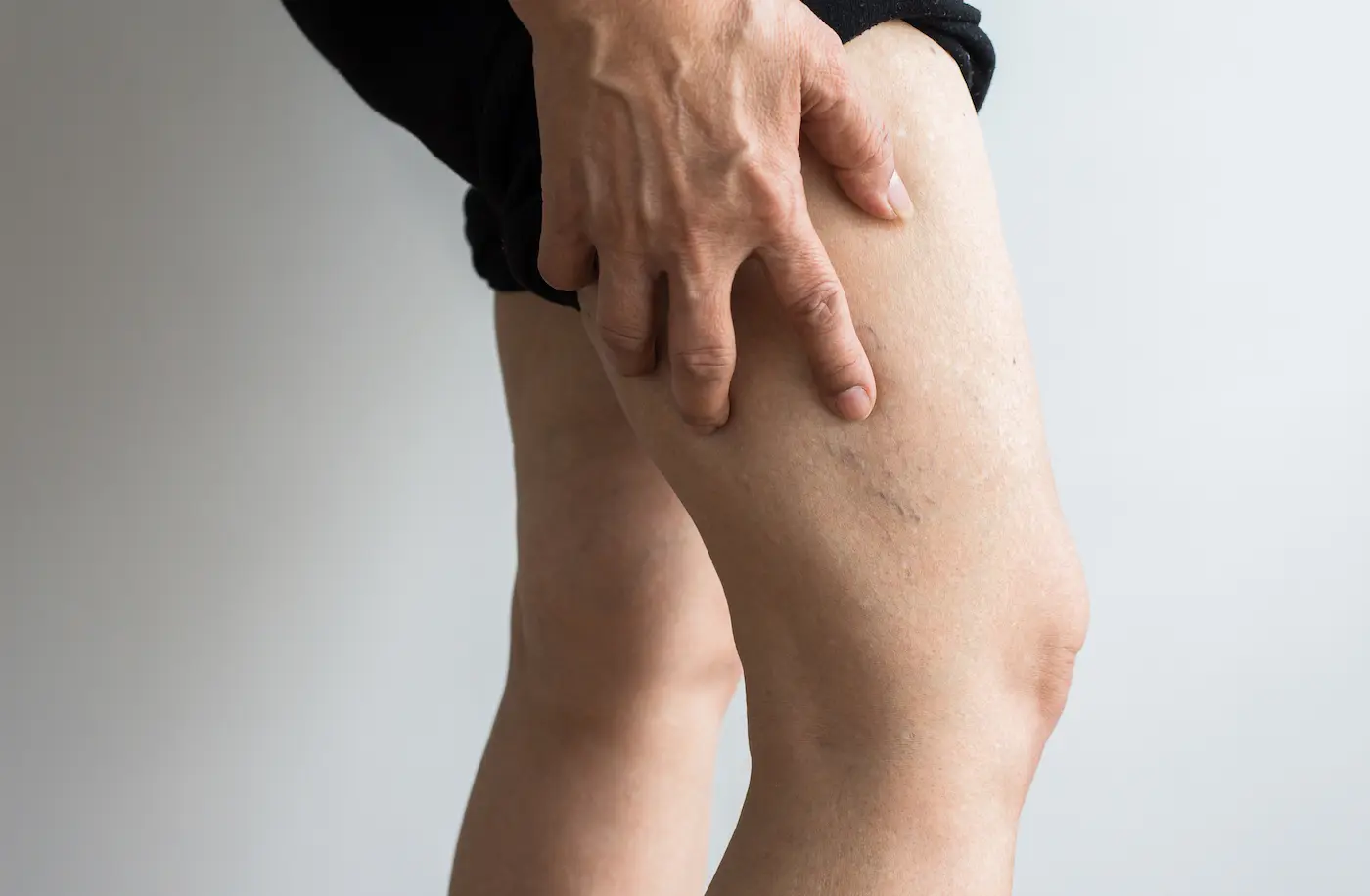
Visible veins on the legs are a common concern for many adults. Spider veins appear as thin red, purple, or blue lines near the skin surface, while small varicose veins may look slightly raised or twisted. These veins often develop due to weakened vein walls or faulty valves that affect blood flow.
While some people view these veins as cosmetic, others experience discomfort, aching heaviness, or swelling. Long periods of standing, pregnancy, genetics, and age all contribute to vein changes over time.
Sclerotherapy offers a medical approach that addresses both appearance and vein function without surgery.
Sclerotherapy is a minimally invasive medical treatment used to reduce spider veins and small varicose veins. During the procedure, a solution is injected directly into the affected vein.
This solution irritates the vein lining, causing it to collapse and seal shut. Blood then reroutes through healthier veins, and the treated vein gradually fades as the body absorbs it.
The treatment does not require incisions, anesthesia, or downtime, which makes it a practical option for many patients.
Once a vein is closed, it no longer fills with blood, which reduces its visibility. Over several weeks, treated veins lighten and become less noticeable.
Multiple veins may be treated during one session, depending on size and location. Gradual improvement occurs as the body processes the closed veins.
Sclerotherapy targets existing visible veins rather than preventing new ones. Maintenance treatments may be needed over time.
For patients experiencing symptoms, sclerotherapy may help reduce aching leg fatigue and heaviness. Improved circulation supports overall leg comfort.
Standing for long periods often worsens symptoms associated with vein issues. Treating problematic veins may support better endurance during daily activities.
Many patients report improved confidence wearing shorts, skirts, or swimwear following treatment.
Adults with spider veins or small varicose veins often benefit from sclerotherapy. Candidates typically do not have significant underlying circulation disorders.
Pregnancy, recent blood clots, or certain medical conditions may affect suitability. A medical evaluation helps determine candidacy and safety.
Consultation ensures expectations align with achievable outcomes.
Appointments usually last between twenty and forty five minutes. The provider cleans the treatment area and uses a fine needle to inject the solution into targeted veins.
Patients may feel mild stinging or pressure during injections. Discomfort is usually brief and well-tolerated.
Compression stockings may be recommended after treatment to support healing and circulation.
Most patients return to normal activities the same day. Walking is encouraged to promote circulation.
Strenuous exercise and prolonged sun exposure may be limited temporarily. Following aftercare instructions supports optimal results.
Bruising, redness, or temporary discoloration may occur and typically resolve within weeks.
The number of sessions depends on vein size, quantity, and individual response. Some veins fade after one session, while others require additional treatments.
Sessions are often spaced several weeks apart to allow healing. Gradual improvement occurs with each visit.
Maintenance care may be discussed based on vein recurrence risk.
Sclerotherapy works best for spider veins and small varicose veins. Larger varicose veins may require alternative approaches.
Unlike surgical options, sclerotherapy avoids incisions and recovery downtime. It remains one of the most established vein treatments available.
Medical guidance helps select the most appropriate treatment based on vein type.
Many patients worry about pain or safety. Sclerotherapy has a long history of use with a strong safety profile when performed by trained providers.
Temporary side effects such as mild swelling or bruising are common and resolve naturally. Serious complications are rare with proper screening.
Clear communication helps patients feel comfortable and informed.
While sclerotherapy treats existing veins, lifestyle habits influence long-term vein health. Movement, weight management, and leg elevation support circulation.
Compression wear may be recommended for individuals at higher risk. Regular monitoring helps address new vein changes early.
Education supports proactive vein care.
Vein concerns sometimes signal underlying circulation issues. Medical evaluation ensures treatment safety and effectiveness.
Professional assessment distinguishes cosmetic veins from those requiring further evaluation. This protects long-term health.
Choosing a medical setting supports comprehensive care.
Beach Family Doctors provides sclerotherapy treatments focused on vein health, comfort, and natural-looking results. Each patient receives a thorough evaluation to determine the most appropriate care plan.
Providers prioritize safety education and realistic expectations. Treatment plans reflect individual vein patterns, lifestyle, and goals.
If spider veins or small varicose veins affect comfort or confidence, sclerotherapy may offer an effective solution.
Contact Beach Family Doctors in Huntington Beach, CA, to schedule a consultation and learn how sclerotherapy can support healthier-looking legs and improved circulation.