
.svg)
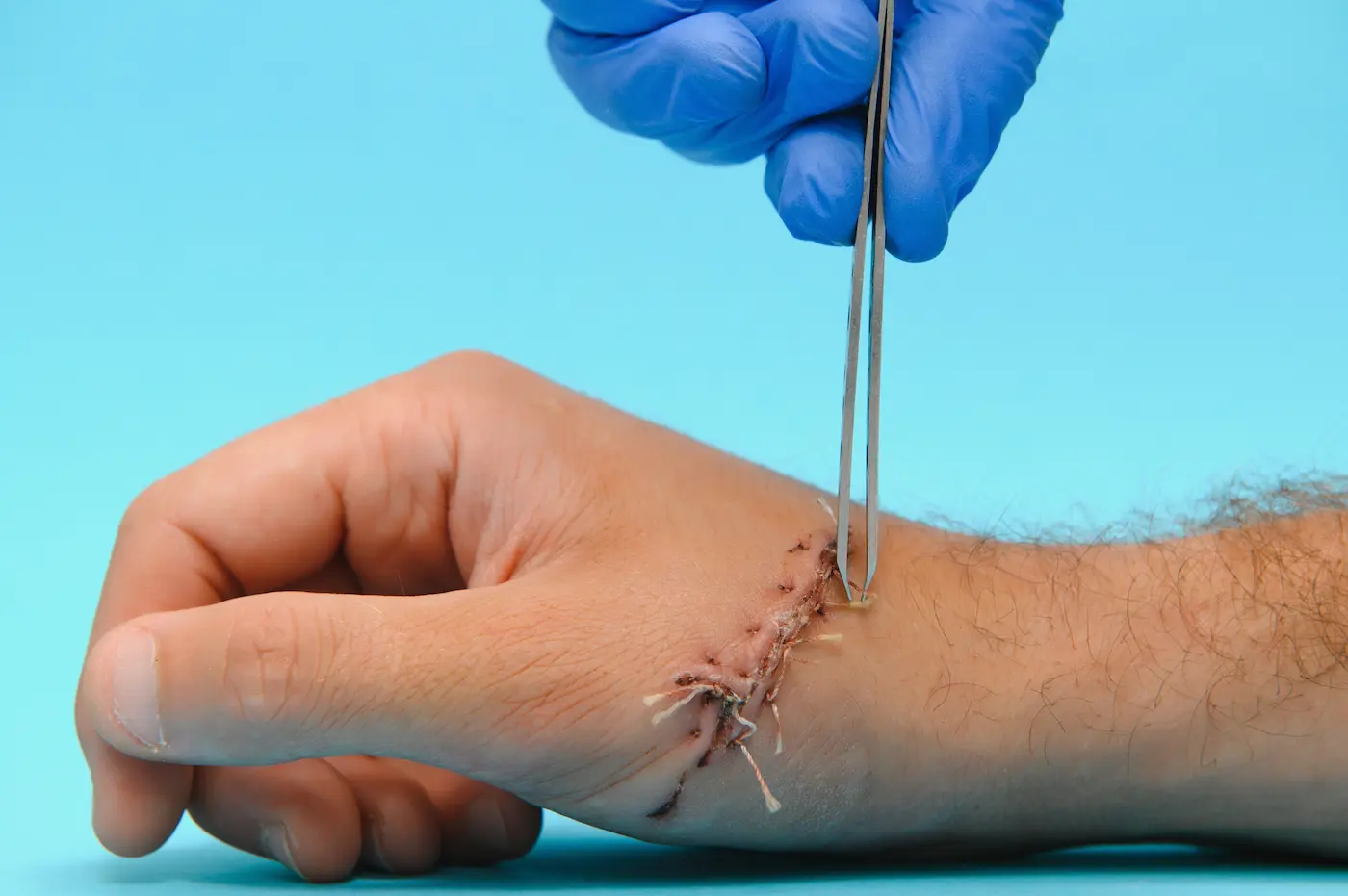
Cuts and lacerations happen quickly during daily life, sports, home projects, or accidents. Many people assume a wound will heal on its own, yet improper care increases the risk of infection, delayed healing, and visible scarring. The way a cut is treated during the first few hours plays a major role in long term outcome.
Professional laceration repair focuses on protecting the body's natural healing process. Clean closure, correct depth assessment, and proper aftercare guidance support both function and appearance.
At Beach Family Doctors in Huntington Beach, CA, laceration repair is treated as both a medical and preventive service.
Not all wounds are the same. A laceration typically involves deeper tissue layers and may gape open. Bleeding may persist or worsen with movement.
Signs that a cut may need medical repair include depth, length, jagged edges, exposed tissue, numbness, or heavy bleeding. Wounds caused by dirty objects, glass, or animal bites also raise infection risk.
Knowing when to seek care protects against complications that may not be visible at first.
Open skin allows bacteria to enter the body. Even small wounds can become infected if debris remains inside or if edges do not close properly.
Infection signs include redness, swelling, warmth, drainage, fever, or increasing pain. Once infection develops, healing slows, and scar formation often worsens.
Proper laceration repair reduces bacterial exposure and creates an environment that supports faster healing.
One of the most important steps in laceration repair is thorough cleaning. Medical providers irrigate the wound to remove dirt, bacteria, and debris that cannot be seen at home.
Assessment includes checking wound depth, nerve involvement, tendon injury, and circulation. This evaluation ensures more serious damage does not go untreated.
Professional cleaning reduces infection risk and supports clean tissue repair.
Closing a laceration helps align skin edges and reduces tension during healing. Sutures skin adhesive, or steri strips may be used depending on wound location and depth.
Correct closure supports tissue regeneration and limits excessive scar tissue formation. Leaving a deep wound open often leads to wider scars and prolonged healing.
Proper technique protects both appearance and function, especially in areas like the hands, face, or joints.
Early treatment improves outcomes. Most lacerations benefit from repair within several hours of injury.
Delaying care increases contamination risk and may limit closure options. Some wounds may require alternative approaches if too much time passes.
Prompt evaluation allows providers to choose the safest and most effective repair method.
Scarring forms as the body repairs damaged tissue. The size and appearance of scars depend on wound depth, tension, and healing quality.
Medical repair aligns skin layers properly, which reduces irregular healing. Providers also offer guidance on wound care that supports smoother recovery.
Proper repair lowers the chance of raised, thick, or wide scars over time.
Healing continues after the repair is complete. Following aftercare instructions plays a major role in the outcome.
Keeping the area clean, dry, and protected supports tissue regeneration. Avoiding excessive movement reduces tension on healing skin.
Providers also advise on dressing changes, scar care, and follow-up timing to monitor healing progress.
Children often experience lacerations during play or sports. Proper repair supports safe healing and reduces anxiety.
Active adults may place stress on healing wounds through work or exercise. Medical guidance helps protect repairs during recovery.
Tailored care plans address lifestyle factors that influence healing.
Sutures are often used for deeper or longer lacerations. They provide strength during early healing and reduce reopening risk.
Removal timing depends on wound location and healing progress. Providers schedule follow-ups to ensure proper recovery.
Using sutures appropriately supports both safety and appearance.
Laceration visits also allow providers to assess tetanus immunization status. Certain wounds require boosters to prevent serious infection.
Medical evaluation ensures comprehensive care beyond the visible injury.
Preventive steps protect overall health.
Some wounds should not be treated at home. Deep cuts, heavy bleeding, numbness, or wounds exposing fat or muscle need medical care.
Using glue or bandages on inappropriate wounds may worsen outcomes.
Seeking professional care protects the healing quality.
Beach Family Doctors provides timely laceration repair focused on infection prevention, proper healing, and scar reduction. Care is delivered in a calm, professional setting designed to support comfort and safety.
Providers assess each wound carefully and explain treatment options clearly. Follow-up guidance supports confident recovery.
If you or a family member experiences a cut that may need medical attention, prompt care can make a lasting difference.
Contact Beach Family Doctors in Huntington Beach, CA to receive professional laceration repair and guidance that supports safe healing and long-term skin health.